Table of contents
Across the EU, cross-border trade has become routine for thousands of SMEs, yet customs compliance is tightening, and digital checks are catching missing identifiers faster than ever. One number, in particular, sits at the centre of the system: the Economic Operators Registration and Identification, better known as the EORI. When it is absent, shipments can stall, costs can spike, and relationships with clients can fray, even when the goods themselves are perfectly lawful. What really changes when a business tries to trade without it?
When the truck stops, the bill starts
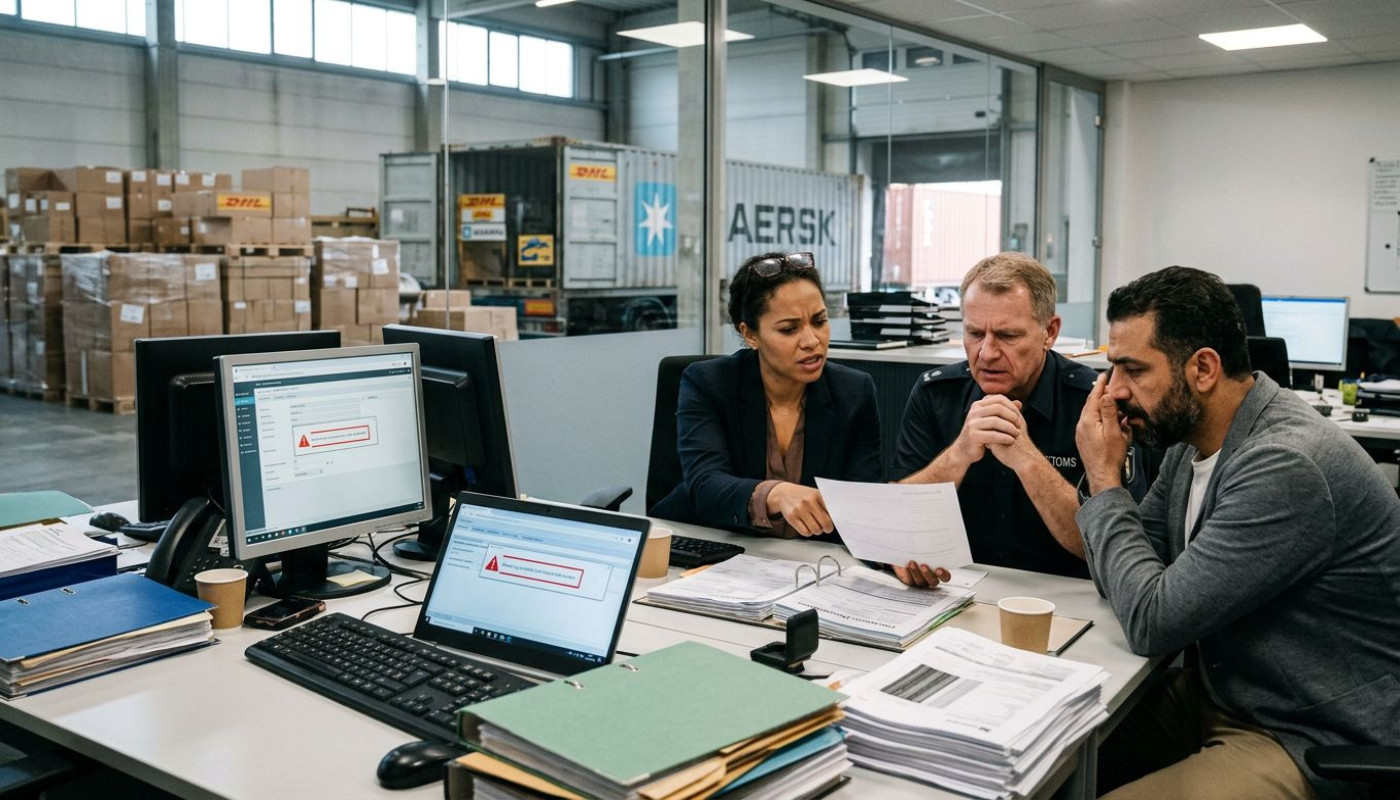
Customs delays are not just an inconvenience; they can quickly become a line item that ruins a margin. Without an EORI, many traders discover the problem at the worst possible moment, when the goods are already on the move, the courier has filed the export data, or the freight forwarder is waiting to lodge an import declaration. In practical terms, the absence of an EORI often blocks the submission of customs declarations because the identifier is designed to link an operator to their filings, their guarantees, and their compliance history, and while some intermediaries can step in, they cannot always “cover” for a business that should be identifiable in its own right.
The knock-on costs vary by sector, but the logic is consistent: storage fees and demurrage accrue when goods sit at ports or depots, transport providers charge for re-routing or rebooking, and urgent administrative fixes tend to be billed at premium rates. Perishable goods and time-sensitive components are especially exposed, and the risk is not theoretical; European logistics operators routinely apply daily charges for holding consignments beyond free time, and manufacturing supply chains can suffer stop-start effects when one missing part holds back an entire production batch. Even where the shipment is eventually cleared, the commercial damage may already be done, because delivery dates slip and buyers question the supplier’s reliability.
Compliance checks are getting sharper, not softer
In a market shaped by data-driven controls, customs is no longer a paper-heavy bottleneck that can be “talked through” at the counter. The EU’s customs framework, under the Union Customs Code, relies on electronic declarations and risk analysis, and that ecosystem rewards consistency and punishes gaps. A missing EORI can trigger more scrutiny because the system lacks the baseline identifier that connects the operator to previous filings, authorisations, and compliance information, and when authorities cannot quickly map who is responsible, they may slow the flow to protect revenue and enforce rules on safety, security, VAT, and product regulation.
This matters beyond the immediate shipment because compliance is cumulative. If a business repeatedly attempts to move goods without the right identifiers, it can be flagged by intermediaries, carriers, and customs authorities as higher risk, and that label can translate into more inspections and longer clearance times later. It is also where internal governance comes into play: finance teams need predictable landed costs, sales teams need dependable delivery windows, and legal teams need evidence that the company has met its formal obligations. In that sense, the EORI is not a bureaucratic flourish; it is a cornerstone of operational credibility in cross-border trade.
One missing number can disrupt VAT and cash flow
Customs clearance and VAT accounting are intertwined, and when the customs process is delayed, the financial calendar can be thrown off with it. Many companies plan around expected import VAT treatment, duty payments, and release dates, but if goods are held because an EORI is missing, the timing of VAT liability and reclaim can shift, and that shift can be costly in cash-flow terms. For SMEs, in particular, cash flow is not an abstract metric; it is the difference between funding the next purchase order and pausing operations while waiting for refunds or customer payments.
The issue becomes more complex when multiple parties are involved, such as a seller, a buyer, a customs broker, and a logistics provider, each with their own compliance responsibilities. If the wrong party is listed as importer of record because the business lacks an EORI, contractual responsibilities for duties and taxes can become contested, and the administrative effort to correct filings can be significant. The practical consequence is that a missing identifier can ripple into accounting, invoicing, and customer relations, and the business ends up spending time reconciling documents rather than selling, shipping, and growing.
How companies fix it, and what to prepare
So what should a business do when it realises, sometimes mid-shipment, that it lacks an EORI? The first step is to identify where the trade touchpoints are: exporting from the EU, importing into the EU, or both. Requirements can differ depending on the role the company plays and the country involved, and that is why businesses often look for country-specific guidance and application pathways, for example through resources focused on eori Belgium, especially when they need clarity on procedures, timelines, and the practical steps to get compliant without derailing operations.
Preparation is as important as speed. Businesses typically need consistent company identification data, accurate addresses, VAT information where relevant, and clarity on who will act as declarant, importer, or exporter in the transaction chain, because mismatches between documents can create further friction. It is also wise to speak early with the freight forwarder or customs broker, not to outsource responsibility, but to align on the declaration process and avoid last-minute surprises. Finally, companies should treat the EORI as part of a broader compliance checklist, alongside commodity codes, origin documentation, and licensing where required, because solving one missing number does not compensate for errors elsewhere.
Next steps to trade without delays
Build time into your shipping calendar, and verify identifiers before goods move. Budget for brokerage support if you are new to customs formalities, and keep a contingency buffer for storage or rebooking costs. If you qualify for simplified procedures or local support, ask early; the right preparation can protect delivery dates, and keep cross-border growth on track.
Similar articles

What Makes A Multi-tier Service Model More Attractive To Modern Clients?

Are Current Legal News Cycles Obscuring Major Fiscal Reforms?

How A Free Digital Fundraising Thermometer Can Maximize Your Campaign's Impact
