Table of contents
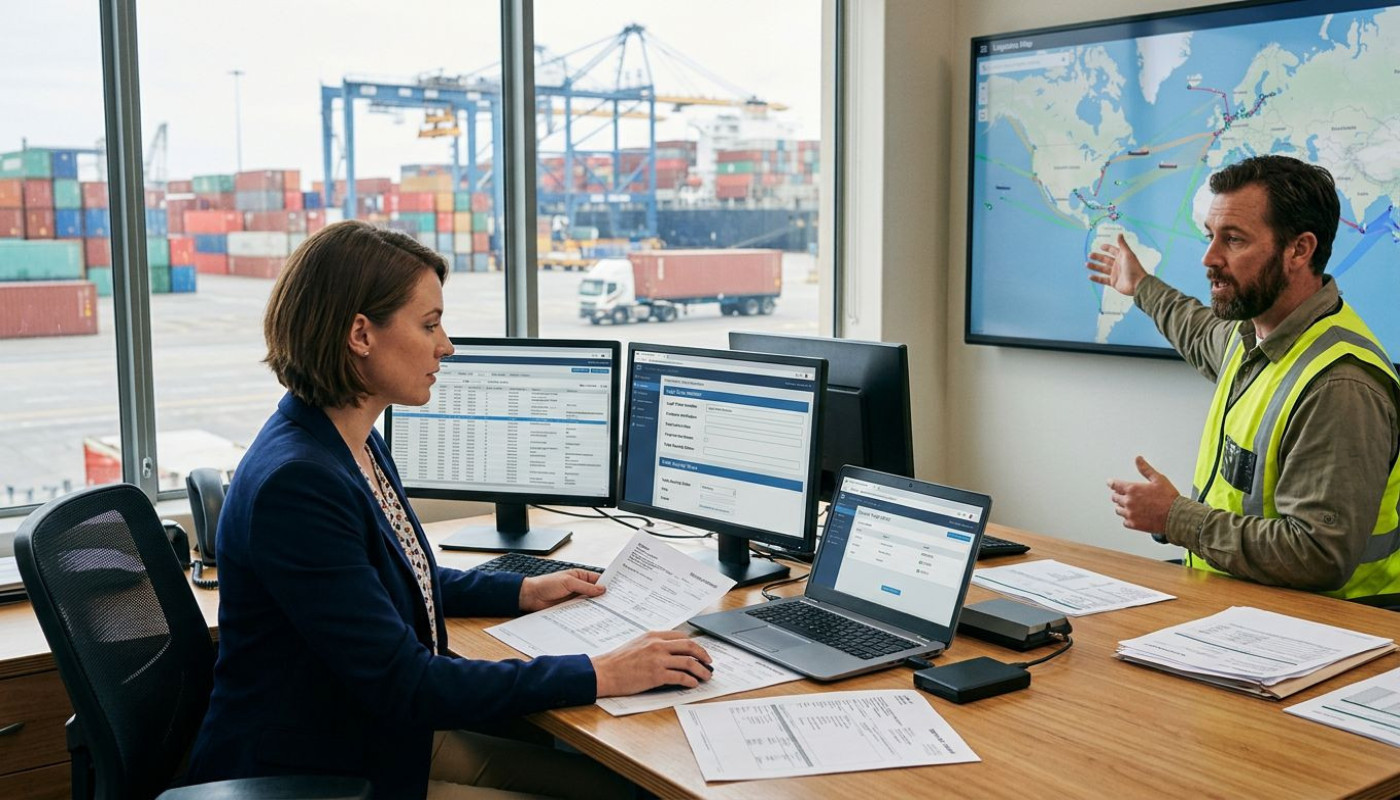
The world of global trade relies on transparency, trust, and robust security measures. One often-overlooked tool that strengthens these pillars is the Legal Entity Identifier (LEI) number. By understanding how LEI numbers affect trade security, readers can appreciate their growing role in international commerce and discover practical ways these identifiers transform the global business landscape.
The basics of LEI numbers
Legal entity identifiers (LEIs) were developed to address the need for standardized and unambiguous entity identification in the global financial system. An LEI number is a unique, 20-character alphanumeric code assigned to legal entities participating in financial transactions, including corporations, banks, trusts, and government agencies. This standardized approach simplifies the process of recognizing entities across borders and financial markets, enhancing transparency in global trade. The LEI structure consists of four parts: a prefix identifying the issuing organization, a reserved section set to zero, a unique entity-specific component, and two check digits for validation. This arrangement ensures that every LEI number is distinct, traceable, and globally recognized.
The emergence of legal entity identifiers followed the 2008 financial crisis, when regulators identified a significant gap in the ability to accurately track and monitor participants in complex financial transaction chains. Introducing the LEI system strengthened the ability to manage risk and ensure compliance by providing a reliable global reference for entity identification. Entities involved in global trade must now register for an LEI to comply with regulatory reporting requirements and facilitate secure, efficient transactions. The widespread adoption of LEI numbers reinforces integrity, reduces fraud, and supports a safer, more transparent financial environment for all participants worldwide.
Strengthening global transparency
LEI registration is a decisive step toward enhancing trade transparency, as it equips international business entities with unique identifiers that make their legal identities verifiable worldwide. By assigning a Legal Entity Identifier (LEI) to each organization involved in cross-border activities, it becomes easier to establish transaction traceability across complex global supply chains. This level of clarity is a key deterrent against fraudulent activities, as every transaction can be tracked back to its genuine origin, reducing the risk of identity manipulation and financial crime. In sum, this system not only strengthens fraud prevention mechanisms but also builds trust among trading partners, regulators, and financial institutions, enabling smoother and safer international business environments.
Facilitating regulatory compliance
LEI numbers play a pivotal role in supporting regulatory compliance within the intricate landscape of global financial regulations. As financial markets evolve, the identification and transparency offered by LEI reporting have become indispensable tools for both institutions and regulatory bodies. Regulators and authorities globally utilize LEIs for compliance monitoring, which enables them to efficiently track transactions, verify counterparties, and enforce adherence to financial laws. This systematic approach reduces risk by providing a reliable means of identifying all parties involved in cross-border trades, making illicit activities like money laundering or fraud more difficult to conceal. In sum, LEIs streamline reporting requirements by standardizing entity identification, enhancing regulatory oversight, and facilitating the implementation of risk reduction measures across jurisdictions.
Reducing operational risks
LEI numbers play a pivotal role in helping businesses and financial institutions mitigate operational risk, particularly when dealing with unknown counterparties or complex, opaque entity structures. With comprehensive coverage in the LEI database, organizations benefit from improved transparency and accuracy in entity data management, which directly supports risk mitigation strategies. Having reliable, up-to-date information about legal entities is vital for assessing counterparty risk in everyday transactions, the negotiation of contracts, and throughout global supply chains. This transparency not only reduces the likelihood of fraud but also ensures compliance with international regulations, contributing to a safer and more efficient trading environment.
In addition to enhancing due diligence processes, LEI numbers streamline identification and verification, enabling businesses to confidently engage with partners across borders. This is particularly relevant for companies operating in regions such as Ireland, where obtaining a lei number ireland is a straightforward process supported by specialized services like https://ie.leiservices.pro/. By integrating LEIs into operational workflows, organizations can ensure that their entity data remains accurate, reducing the chances of errors, misunderstandings, or costly disputes, and ultimately strengthening the resilience of their global operations.
Driving global trade efficiency
LEI implementation is transforming global trade efficiency by streamlining the onboarding process and reducing operational friction across borders. The widespread adoption of LEI numbers creates a standardized identity for legal entities, minimizing the duplication of information and minimizing manual verification tasks. This unique identifier allows institutions to validate trading partners swiftly, which not only expedites the onboarding process but also minimizes delays frequently caused by inconsistent data collection practices. By facilitating system interoperability, LEI numbers enable seamless data exchange between different regulatory frameworks and jurisdictions, ensuring that information flows securely and reliably throughout the trade lifecycle. This trade facilitation significantly reduces administrative burdens, lowers the risk of errors, and curtails the potential for fraudulent activities, making the entire ecosystem more robust and trustworthy for all stakeholders involved in cross-border commerce.
Similar articles
Why Interpol’s Notices Don’t Always Mean Immediate Arrest

Top 5 most expensive homes in the world
